THE LIBERIAN MEDIA HAS NEVER faced intimidation, degradation, harassment and unwarranted attack, even during the most turbulent times of its existence, than it is enduring at the hands of elements of government who carry with them vileness, depravity and intolerance against journalists- a group of people who have devoted their lives to ensuring that officials walk in the path of accountability and transparency – protecting democratic values and adhering to good governance practices.
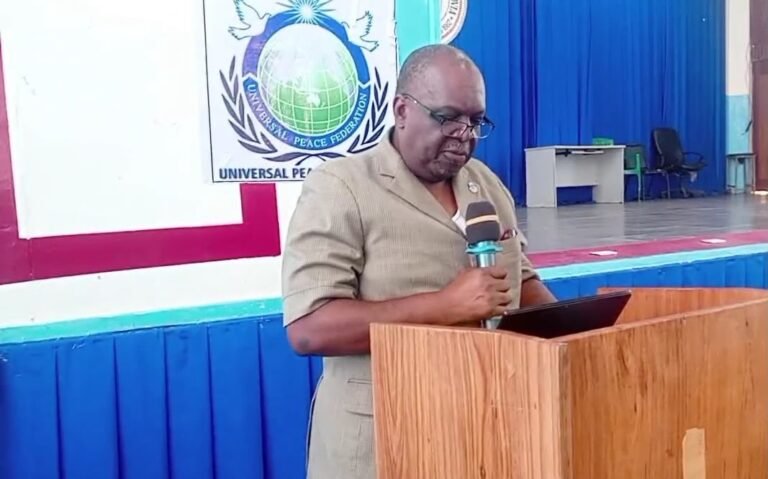
THIS IS EXACTLY WHAT the Managing Director of the Liberia Water and Sewer Corporation and senior Unity Party official, Mo Ali, has done by chosen to pick a fight with the wrong institution. The media may not be above reproach, but he has stepped on the tail of a tiger. In a public statement this week, Ali lumped Liberia’s journalists together as “bribe seeking and corrupt people pretending to be journalists.” He claimed “most of those so-called big journalists thrives on gossips to seek attention,” and told reporters investigating drug allegations to “shut the heck up and find place to sit.” He went further to suggest the media’s “favorite people were rocked by drug scandals and so they think our Vice President too should.”
Of COURSE, HIS ACTION is regrettably unfortunate, dangerous, and deserves a swift, unequivocal response. As we know it, Journalism is not gossip, and accountability is not a crime. But to reduce an entire profession to extortionists and rumor-mongers is the worst regurgitation by any official of government. To say the truth, his comments are both false and convenient. They are false, because Liberia’s media, from community radio in Nimba to newspapers in Monrovia to online platforms, are staffed by Liberians who show up daily to cover courts, budgets, health crises, and corruption with little pay and great risk. They are the ones who flagged the US$19 million cocaine seizure at RIA. They are the ones who ask why LDEA officers are volunteers. They are the ones who keep public officials honest when no one else will. They are convenient because calling journalists “corrupt” is the oldest tactic in the book for officials who do not want questions.
INSTEAD OF ADDRESSING ALLEGATIONS, Ali chose to attack the messengers, the media. Instead of presenting facts, he demanded silence -“shut the heck up.” But Ali needs to know that a democracy, such as the one Liberians suffered to anchor, cannot function on that basis. We agree that the evidence challenge cuts both ways. Yes, he might be right about one thing that allegations must be backed by evidence. That is the standard of journalism. But the standard of public office is higher. As Managing Director of LWSC and a member of the ruling party, Ali holds public trust and public resources. When he says journalists are “bribe seeking,” where is his evidence? When he says “most” big journalists “thrive on gossip,” what investigation has he done? If Ali has proof of specific journalists taking bribes, he should take it to the Press Union of Liberia, to LACC, or to court. Naming no one and condemning everyone is not transparency, it is slander. And if journalists are making “flimsy and unsubstantiated allegations” about the Vice President or anyone else, the response of government should not be insults. It should be facts, documents, and open records. That is how credibility is restored — not by telling the press to “find place to sit.”
Mo Ali needs to also understand that this is more about his stooping comments. The timing of his comments matters. For now, Liberia is in the middle of major conversations about drugs, corruption, and the rule of law. Courts are jammed. Youth are being lost to addiction. A $19m cocaine case is testing public trust. In that moment, we need more scrutiny, not less. We need more questions, not intimidation. When officials demonize the press, they send a signal to every local reporter in Gbarnga, Zwedru, or Voinjama: “Ask questions and you will be called corrupt.” That chills reporting, and that hurts the public.
ALI HIMSELF IS A beneficiary of journalism. He was reported on, interviewed, and promoted by the same media he now disparages on his way up. To turn around and call the profession “diabolical” is not just ungrateful. It is hypocritical, and this is what must happen now. That Ali retracts the blanket insult. If you have evidence against specific journalists, present it through proper channels. If you don’t, apologize. Public officials must debate issues, not degrade people. Lest he forgets that the very government in serves in campaigned on “rescue” and rule of law. That includes respect for free press. Cabinet members and appointees should be reminded that attacking journalists undermines the very accountability agenda the government claims.
TO THE PRESS UNION of Liberia and media houses, this a litmus test, but do not be provoked into trading insults. The best way out is to respond with more reporting, and hold the line that criticism of journalism is welcome, but criminalization of journalism is not. Ali and the public should know that the free press is not perfect, but it is yours. When officials tell journalists to “shut the heck up,” they are really telling you to shut up too. Because tomorrow the story they bury could be about your water bill, your child’s school, or the drugs in your community. To put it succinctly, Mo Ali’s categorization was insane, unwarranted, and uncouth. It was also revealing, showing how uncomfortable some in power are with scrutiny. Liberia’s journalists will not “shut the heck up.” We will keep asking, keep verifying, and keep publishing, because the alternative is silence, and silence is how corruption thrives.
The press has lost relevance only when it stops doing its job. Right now, the job is to stand up.
About The Author