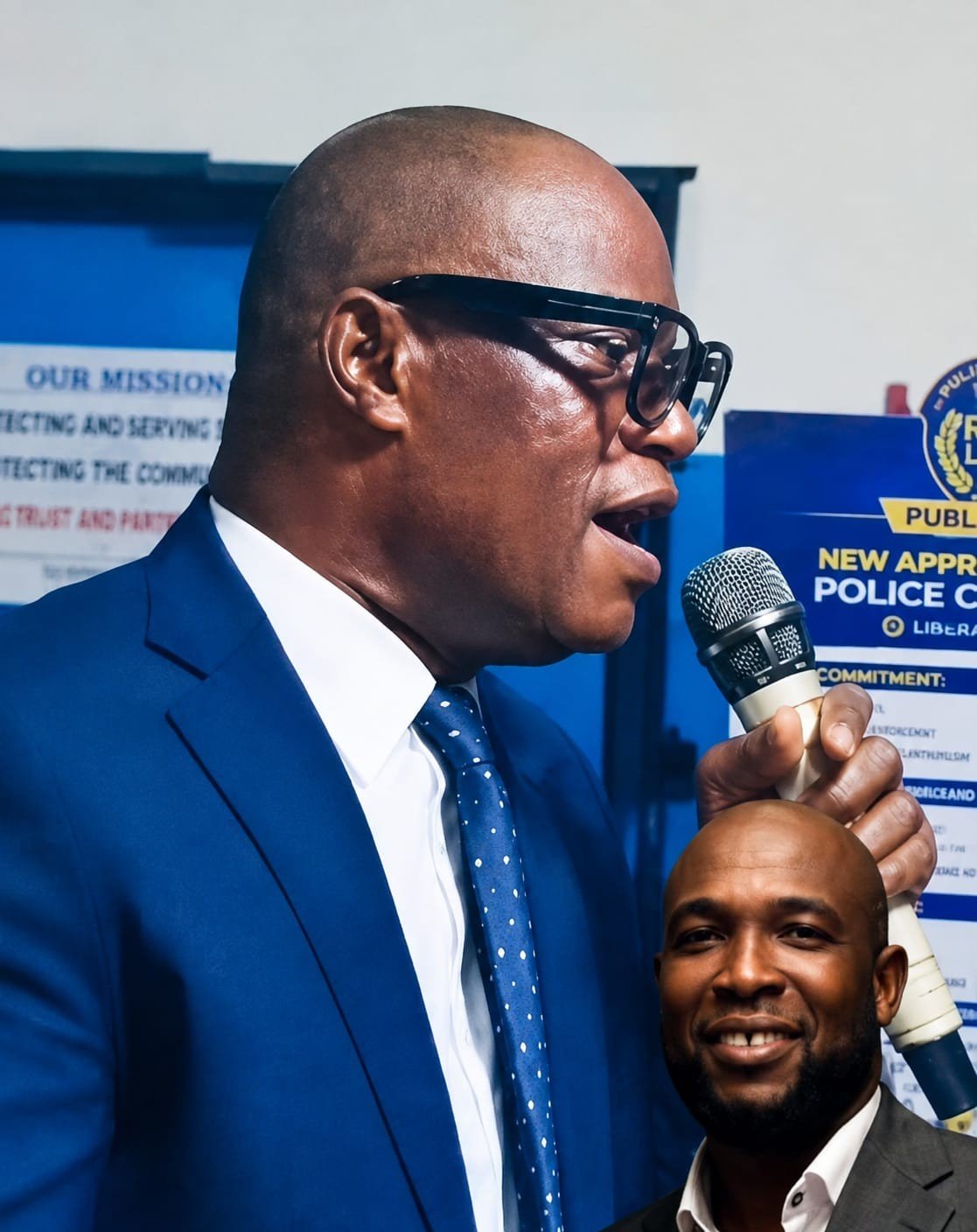
By Benjamin Q. Z. Johnson
MONROVIA: Nimba County Senator Samuel Kogar has questioned the credibility of the Unity Party-led government’s fight against illicit drugs, calling for greater transparency over allegations made against President Joseph Nyuma Boakai’s son, Joseph “Jojo” Boakai Jr.
Senator Kogar argued that the government’s anti-narcotics fight could lose public confidence if the joint
security are perceived to be applying the law selectively.
The Nimba County Senator comments come amid continuing controversy surrounding allegations circulated on social media by individuals claiming to be associated with a drug-trafficking network.
According to Senator Kogar, individuals believed to be linked to drug-trafficking publicly accused President Boakai Son of having connections with them.
Following the allegations, Boakai Jr. publicly denied any involvement in narcotics trafficking, saying that he only had interacted with some individuals without knowing that they were allegedly connected to drug-trafficking.
However, Senator Kogar questioned why, following the allegations, the Joint Security has not investigateed Boakai Jr. about the alligation from those believe to be Drugs Cartel.
“He should be investigated by the Joint Security, and the government should make a public statement. Then we will know that they are genuinely fighting against drugs,” Kogar argued.
The senator said the issue should not be about determining Boakai Jr.’s guilt or innocence before an investigation, but whether Liberia’s law-enforcement institutions are prepared to follow credible information and evidence wherever they lead.
“If somebody is accused and there is information concerning that person, the security should investigate. If the investigation establishes that the person has no connection, then say so publicly,” Kogar said.
The government has maintained that its anti-drug campaign will be conducted without fear or favor. On July 30, President Boakai ordered the dismissal, suspension and investigation of several government and security officials following a review of ongoing narcotics cases.
The Executive Mansion said the administration would hold accountable anyone found to be involved in narcotics trafficking or related criminal activities.
But Kogar maintains that the absence of publicly disclosed evidence should not prevent security institutions from addressing legitimate questions arising from allegations that have gained widespread public attention.
“Is he above the law? Is it because he is the President’s son?” Kogar questioned.
The senator accused the government anti-drug fight efforts only on Past government officials and individuals associated with the previous administration, while failing to demonstrate the same level of scrutiny when allegations involve individuals connected to the current administration.
“This is wrong and unfair. We cannot have a selective fight against drugs,” he said.
Kogar stressed that Liberia’s narcotics crisis requires investigations based on evidence rather than political affiliation, family relationships or government status.
He argued that if the government wants to convince Liberians that its fight is genuinely aimed at dismantling drug-trafficking networks, it must demonstrate that no individual is beyond scrutiny, including relatives of the President.
The controversy comes as the Boakai administration continues to intensify its fight against illicit drugs.
President Boakai recently appointed retired Major General Daniel Dee Ziankahn Jr. to head the Liberia Drug Enforcement Agency, signaling what the government described as a renewed campaign against illicit drugs and transnational organized crime.
For Kogar, however, the credibility of the fight against drug trafficking will ultimately depend not on the number of arrests or dismissals, but on whether investigators are prepared to follow credible evidence wherever it leads.
“Liberia cannot have a selective fight against drugs,” he maintained. “The law must apply equally to everyone.
About The Author