
By Stephanie M. Duncan
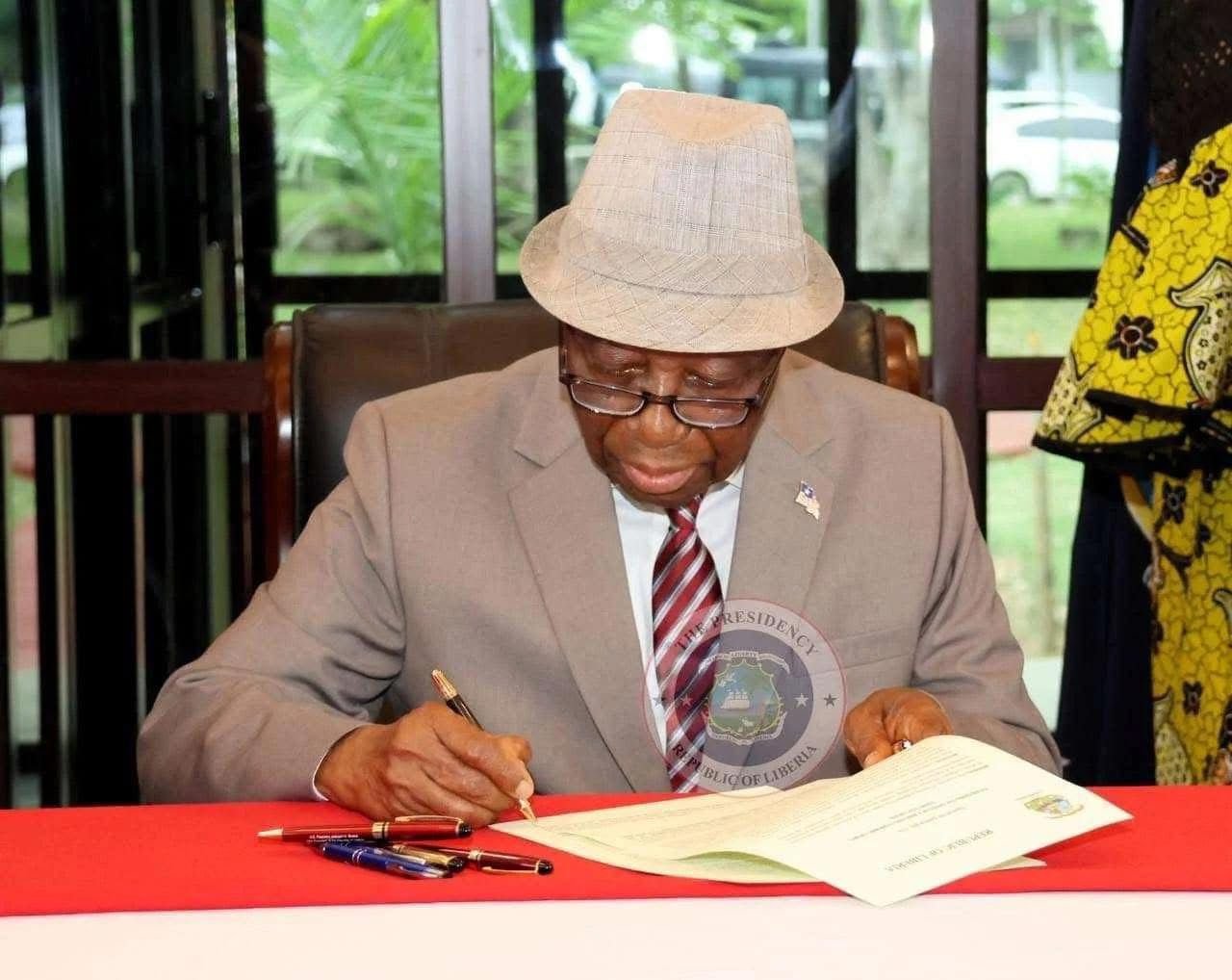
MONROVIA – Joseph Nyuma Boakai, Sr. has submitted two major legislative proposals to the National Legislature of Liberia aimed at strengthening accountability, advancing justice, and intensifying the fight against corruption in Liberia.
The bills, submitted Wednesday to House Speaker Richard Koon and Senate President Pro-Tempore Nyonblee Karnga Lawrence, seek to establish a War and Economic Crimes Court and a specialized National Anti-Corruption Court.
According to an Executive Mansion release, President Boakai said the proposed legislation is rooted in Liberia’s historical experience, constitutional principles, and international legal obligations, while addressing long-standing governance and justice concerns stemming from the country’s civil conflict and corruption challenges.
The proposed War and Economic Crimes Court would serve as a specialized judicial body to prosecute allegations of war crimes, crimes against humanity, gross human rights violations, and economic crimes committed during Liberia’s periods of instability.
The initiative also seeks to implement recommendations from the Truth and Reconciliation Commission of Liberia and commitments outlined in the Accra Peace Agreement.
President Boakai said the court would help Liberia combat impunity, uphold international humanitarian law, and promote national reconciliation through accountability.
The second proposal — an Act establishing a National Anti-Corruption Court — aims to strengthen Liberia’s judicial response to corruption-related offenses, which the administration says continue to undermine public trust, economic development, and effective service delivery.
According to the President, existing judicial structures face challenges in handling complex corruption cases, making the creation of a specialized anti-corruption court necessary to improve prosecution and deterrence.
The President said passage of the two bills would strengthen Liberia’s rule of law and accountability systems, improve transparency in public administration, address historical injustices and economic crimes, and align the country with international justice and anti-corruption standards.
“These reforms represent a decisive step toward justice, reconciliation, and sustainable national renewal,” President Boakai stated in his submission to lawmakers.
He urged the Legislature to give the bills urgent and careful consideration in the national interest.
President Boakai also reaffirmed his administration’s commitment to working with the Legislature, the judiciary, and other national stakeholders to build a society anchored on justice, accountability, and lasting peace.
About The Author