By Jamesetta D. Williams
Monrovia-Acting Minister of Information Johnny Tarkpah has called on Liberians to demand transparency and accountability in the management of mining revenue, stressing that the country’s natural resources must translate into lasting benefits for citizens.
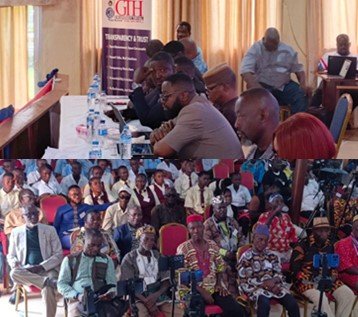
He made the call during the fourth edition of the Government Town Hall Meeting held in Tubmanburg, Bomi County, where he also thanked residents for their strong participation and described the gathering as an important platform for bringing government closer to the people.
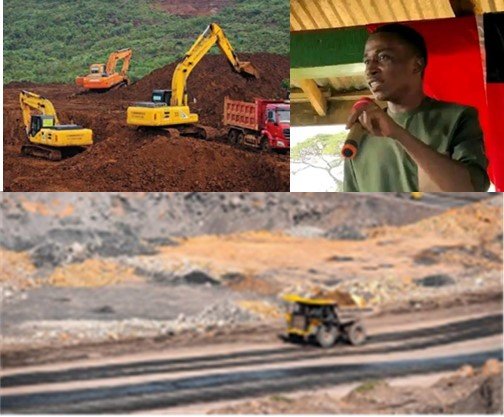
The meeting focused on Liberia’s extractive industry, particularly the mining sector’s contribution to national revenue, economic growth, and the country’s development agenda.
Tarkpah described the GTH as a flagship initiative of the Ministry of Information, organized on behalf of the Government of Liberia to promote open communication between public officials and citizens, adding “the initiative provides an opportunity for government representatives to explain policies, discuss national issues, and listen to concerns raised by communities.”
He noted that the first edition was held in Montserrado County, followed by Nimba and Grand Bassa counties, before the fourth edition was brought to Bomi County.
The Acting Minister emphasized that government must remain accessible to citizens across the country rather than operating as an institution centered only in Monrovia.
“Government does not sit only in Monrovia. Government belongs to you, the people, and it must answer to the people wherever they are,” Tarkpah said.
Tarkpah said the town hall meeting was not intended to be a gathering where government officials deliver speeches while citizens remain silent.
Instead, he described it as a national dialogue through which citizens can question public officials, challenge policies, raise concerns, and propose solutions to problems affecting their communities.
He said market women, students, traditional leaders, and other community members should have opportunities to express their views directly to government representatives.
According to Tarkpah, government has three major responsibilities during such engagements: informing citizens, accounting for its decisions and actions, and listening to the public.
He stressed that citizens have the right to know what the government is doing, how decisions are made, and how public resources are being used.
The Acting Minister encouraged residents of Bomi County to speak openly about challenges affecting their communities and hold public officials accountable for their responsibilities.
He also urged citizens to recommend practical solutions to local problems, noting that residents often have firsthand knowledge of the needs and challenges within their communities.
Tarkpah maintained that public participation is both a right and a responsibility, adding that citizens must take an active role in discussions intended to improve governance and national development.
The Acting Minister’s remarks came as government officials and citizens discussed the contribution of Liberia’s mining sector to national revenue and economic growth.
He emphasized that the country’s natural resources should provide meaningful benefits to citizens and that revenue generated from mining must be managed transparently and responsibly.
Liberia’s extractive industry remains an important part of the country’s economic development efforts. However, ensuring that the sector contributes to national progress requires effective oversight, accountability, and responsible management of public resources.
The town hall meeting provided an opportunity for citizens to engage government representatives on the management of natural resources and the need to ensure that mining activities support development priorities.
Tarkpah encouraged residents to remain involved in public discussions and use such platforms to seek answers from government officials on issues affecting their communities.
Meanwhile, Deputy Minister of Information Danlie Sando highlighted proposed road development plans intended to improve transportation and economic connectivity in western Liberia.
Discussions at the meeting included a proposed road corridor extending from the St. Paul River Bridge through Bomi County toward the western part of the country.
Government representatives said improved road connections could make it easier for people and goods to move between communities, support commercial activities, and create better conditions for investment.
The proposed road development was discussed as part of broader efforts to improve infrastructure and support economic activities, including those associated with mining and other productive sectors.
Improved road access could also help communities reach markets and essential services more easily while reducing transportation difficulties for residents and businesses.
For Bomi County and surrounding areas, better road infrastructure could support local trade and strengthen links between communities and major economic centers.
The meeting also addressed concerns about road conditions in Bomi County and other parts of Liberia.
A government representative discussed the deployment of yellow road-construction equipment intended to support road rehabilitation across Liberia’s 15 counties.
The equipment is expected to assist efforts to improve access roads and address transportation challenges affecting communities.
However, the representative noted that the full impact of the initiative would become clearer as the equipment was deployed and rehabilitation work progressed.
Road rehabilitation remains important to improving connectivity, supporting local businesses, and making transportation easier for residents, particularly in areas where poor road conditions limit access to markets and services.
The proposed improvements could also help support economic activities in western Liberia, where better transportation links may strengthen trade and facilitate the movement of goods.
The fourth edition of the Government Town Hall Meeting brought government representatives and residents together to discuss mining, public accountability, infrastructure development, and other issues affecting communities.
Tarkpah’s remarks emphasized the importance of ensuring that citizens have access to information and opportunities to question government officials about decisions and the use of public resources.
Sando’s remarks, meanwhile, highlighted the importance of road infrastructure in improving access, supporting economic activities, and connecting communities across western Liberia.
The discussions underscored the need for continued engagement between government and citizens as Liberia works to strengthen accountability and advance its development priorities.
The meeting also reinforced the importance of ensuring that the management of natural resources and investment in infrastructure produce practical benefits for communities across the country.
About The Author