By Jamesetta D. Williams
Monrovia-Liberia Revenue Authority (LRA) Commissioner General James Dorbor Jallah has disclosed that the country’s mining sector has contributed approximately US$432 million to domestic revenue, underscoring the sector’s importance to the government’s revenue mobilization efforts.
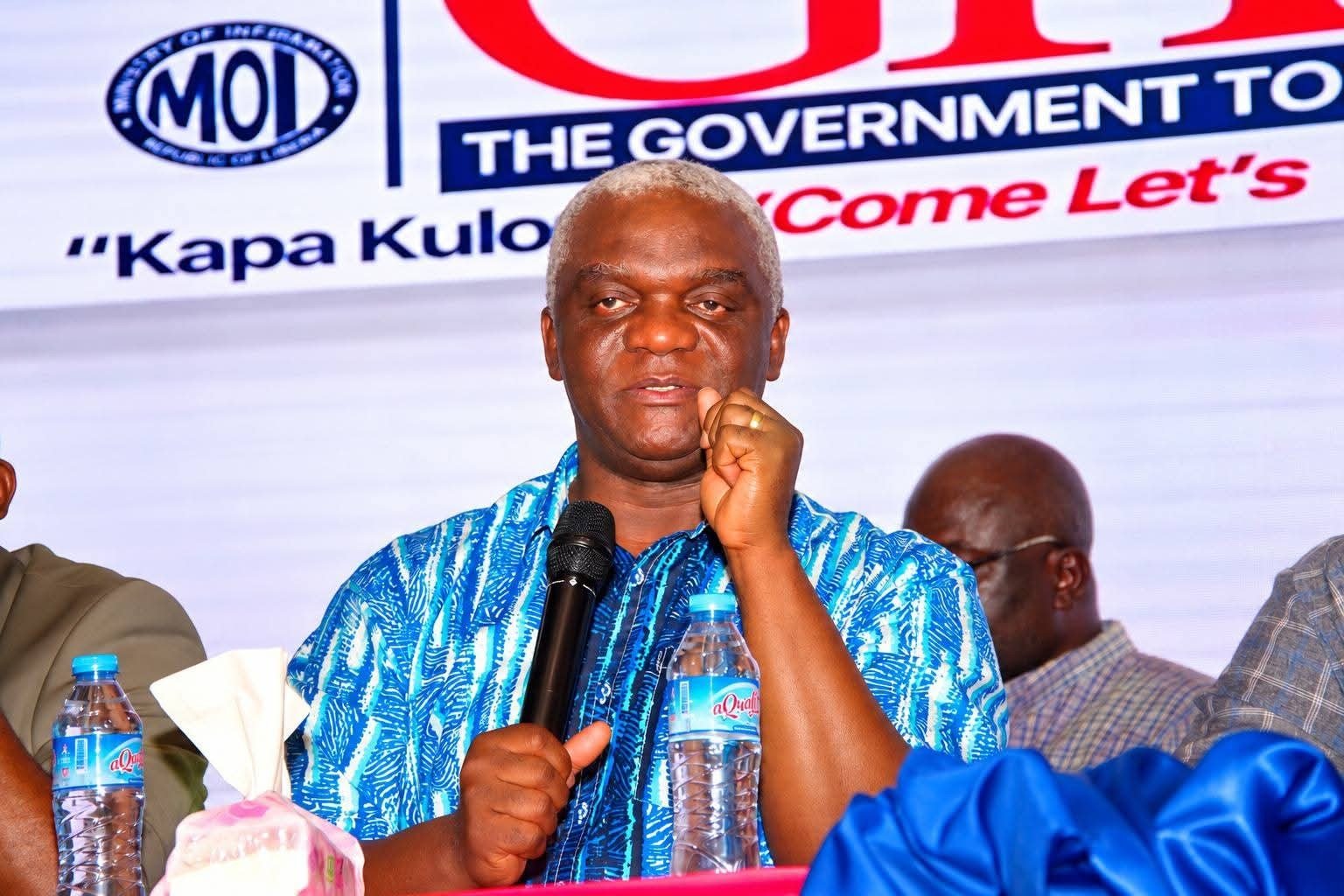
Speaking at the fourth edition of the Government Town Hall Meeting in Tubmanburg City, Bomi County, Jallah discussed the country’s domestic revenue performance, the government’s collection targets, and efforts to make public revenue information more accessible to citizens.
He said Liberia’s domestic revenue target for 2026 stands at US$1.1 billion, expressing optimism that the government could exceed its target before the end of October.
According to Jallah, improved revenue collection would strengthen the government’s ability to finance its national budget and support development programs.
Jallah also highlighted the government’s ambition to increase domestic revenue collection significantly compared with the amount collected in 2023.
He said reaching approximately US$1.3 billion in domestic revenue by the end of 2026 would represent substantial growth over the 2023 collection.
The LRA Commissioner General emphasized that strengthening domestic revenue mobilization remains important to financing government operations and development priorities without relying excessively on external assistance.
He noted that the mining sector remains an important contributor to national revenue, while other sectors of the economy also play a role in supporting the government’s financial objectives.
Jallah stressed the importance of transparency and public access to government revenue information, disclosing that the LRA has introduced an online dashboard to allow citizens to monitor revenue collection.
According to him, the platform provides information on daily revenue collections and allows users to download data for independent analysis.
He encouraged journalists, civil society organizations, researchers, and other interested members of the public to use the platform to monitor revenue performance and promote accountability.
Jallah said making revenue information publicly available would help citizens understand how much money the government collects and enable independent assessments of the authority’s performance.
The website address provided during the presentation was Dash.lra.gov.lr, which should be confirmed before publication.
The LRA Commissioner General further explained that the authority collects revenue primarily through domestic taxes and customs.
Figures presented during the meeting indicated that domestic tax collections accounted for approximately US$795 million, while customs collections generated about US$258 million.
He explained that domestic taxes are collected from taxable economic activities within Liberia, while customs revenue comes from activities involving imports and exports.
According to the presentation, the figures form part of the revenue information available through the authority’s public dashboard, which is updated as collections are recorded.
The figures highlight the contribution of different revenue streams to the government’s overall domestic revenue mobilization efforts.
Jallah also discussed the government’s previous revenue performance, noting that collections above the target in the preceding year had provided additional resources for consideration in the following year’s budget.
He said approximately US$5 million from excess collections in the previous year had been incorporated into the current national budget, according to the figures presented.
The Commissioner General described improved revenue performance as an important development for government financing, stressing the need to sustain efforts to increase domestic revenue collection.
Beyond revenue collection, Jallah also referred to government infrastructure initiatives, including a concession agreement with Pivotal valued at more than US$200 million to address road-related challenges.
He said the agreement was expected to support efforts to improve road conditions, including feeder roads, as part of broader infrastructure development plans.
Jallah also referred to plans involving a two-lane road and the inclusion of rest stops and other facilities, describing the project as part of the country’s infrastructure development efforts.
The road equipment initiative and the concession arrangement were presented as complementary measures intended to improve road access and support development.
However, further details regarding the concession’s scope, implementation schedule, and specific financial arrangements would be needed to establish the full extent of the project.
Jallah emphasized that mining is only one component of Liberia’s broader revenue base and that additional mining projects could contribute to government revenue, employment, infrastructure development, and economic growth.
He said revenue-generating sectors and government institutions must continue to play their respective roles in supporting the national budget.
The government’s broader objective, according to the presentation, is to strengthen domestic revenue collection, attract investment, and ensure that the country’s natural resources contribute more meaningfully to national development.
Jallah expressed optimism that improved revenue collection, responsible management of natural resources, and investment in key economic sectors could help Liberia advance toward its long-term budget ambitions.
About The Author