
By Jamesetta D Williams
MONROVIA – Liberian musician Bulky Raw, Peach Bility and many others were quickly identified, named, filmed and bundled into pickups following their arrest on drugs related charges.
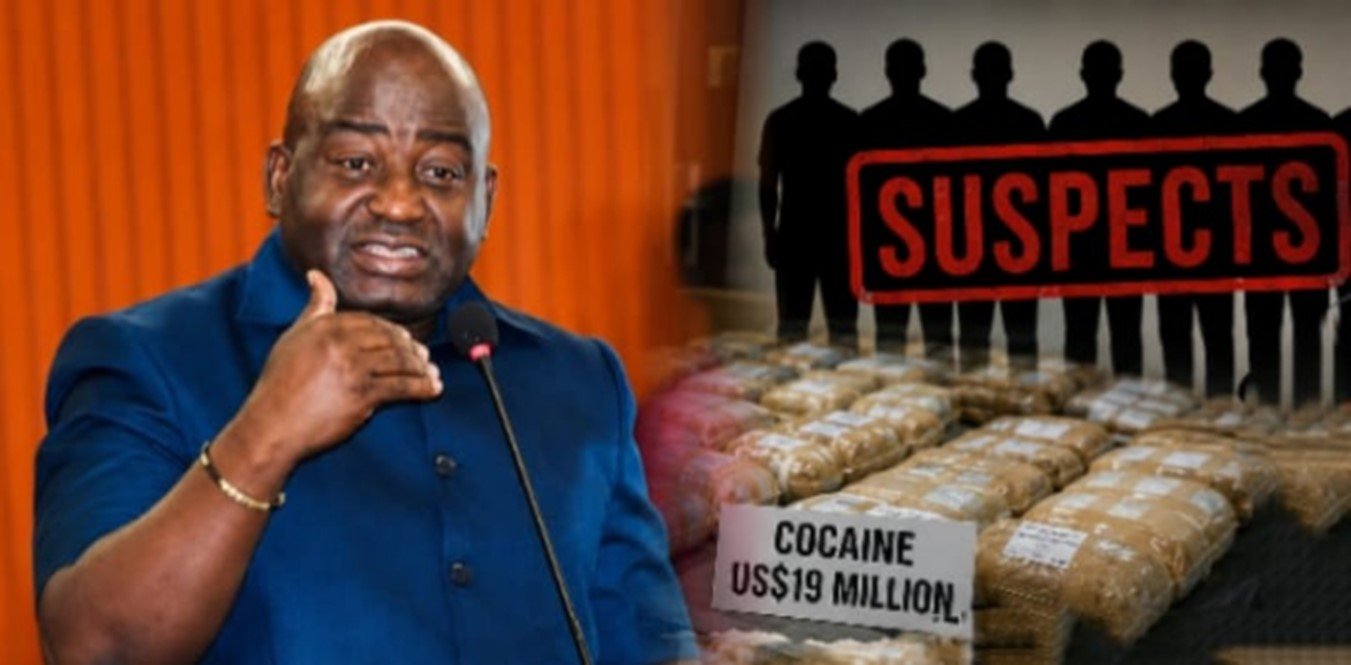
But when it comes to Liberia’s current penultimate US$19 million cocaine seizure, the case appears to be different from what others faced, leaving many to wonder if the ongoing anti-drug fight is lope-sided – favors and disfavors others.
The trend – the rather lope-sided shape – the issue has taken has added fuel to the debate over transparency in Liberia’s drug enforcement efforts as the Liberia Drug Enforcement Agency (LDEA) is still withholding the identities of six suspects linked to a US$19 million cocaine seizure.
Concerns surrounding the high-profile case have sparked public discussion, with calls growing for greater accountability and disclosure regarding individuals allegedly connected to one of the country’s largest drug interceptions.
Weighing in on the matter, Liberian musician expressed frustration over what he described as inconsistent handling of drug-related cases by authorities. Writing on social media, he questioned why suspects in a major drug case remain unnamed, despite confirmations that multiple individuals are in custody.
In a parallel development, Representative of Nimba County District #7 has raised broader concerns about justice, accountability, and the national fight against drug trafficking.
In an emotional open letter to the President of Liberia, Bility referenced both his personal experience and the wider drug crisis affecting the country.
He disclosed that his own son has been imprisoned for more than two years on drug possession charges, noting that while he accepts his son’s legal responsibility, the broader system of drug trafficking must also be addressed.
“My son has been in jail for over two years now for possessing drugs, and then you want to hide those who traffic in it? You lie mehn,” he stated, expressing frustration over what he sees as unequal treatment in drug enforcement.
Bility described drug abuse as a growing national emergency, warning that it is destroying families, weakening communities, and undermining the future of Liberia’s youth. He said thousands of young people across the country have been affected, with many imprisoned, displaced, or struggling with addiction.
The lawmaker further argued that while individuals must be held accountable for their actions, greater focus must be placed on dismantling trafficking networks and those responsible for importing drugs into Liberia.
He called for a strong, independent, and fearless investigation into drug-related crimes, insisting that no individual should be shielded due to political or social influence.
He urged the President to take decisive action, warning that failure to confront the crisis could define the legacy of the current administration. According to him, the drug problem has escalated beyond law enforcement and now represents a serious threat to national stability.
Despite his criticism, Bility expressed confidence that the President does not support drug trafficking or the destruction of young people, but emphasized that accountability must extend throughout all levels of authority.
The statement adds to growing public pressure on security institutions to enhance transparency, strengthen enforcement, and restore public confidence in Liberia’s fight against narcotics trafficking.
About The Author