By Jamesetta D. Williams
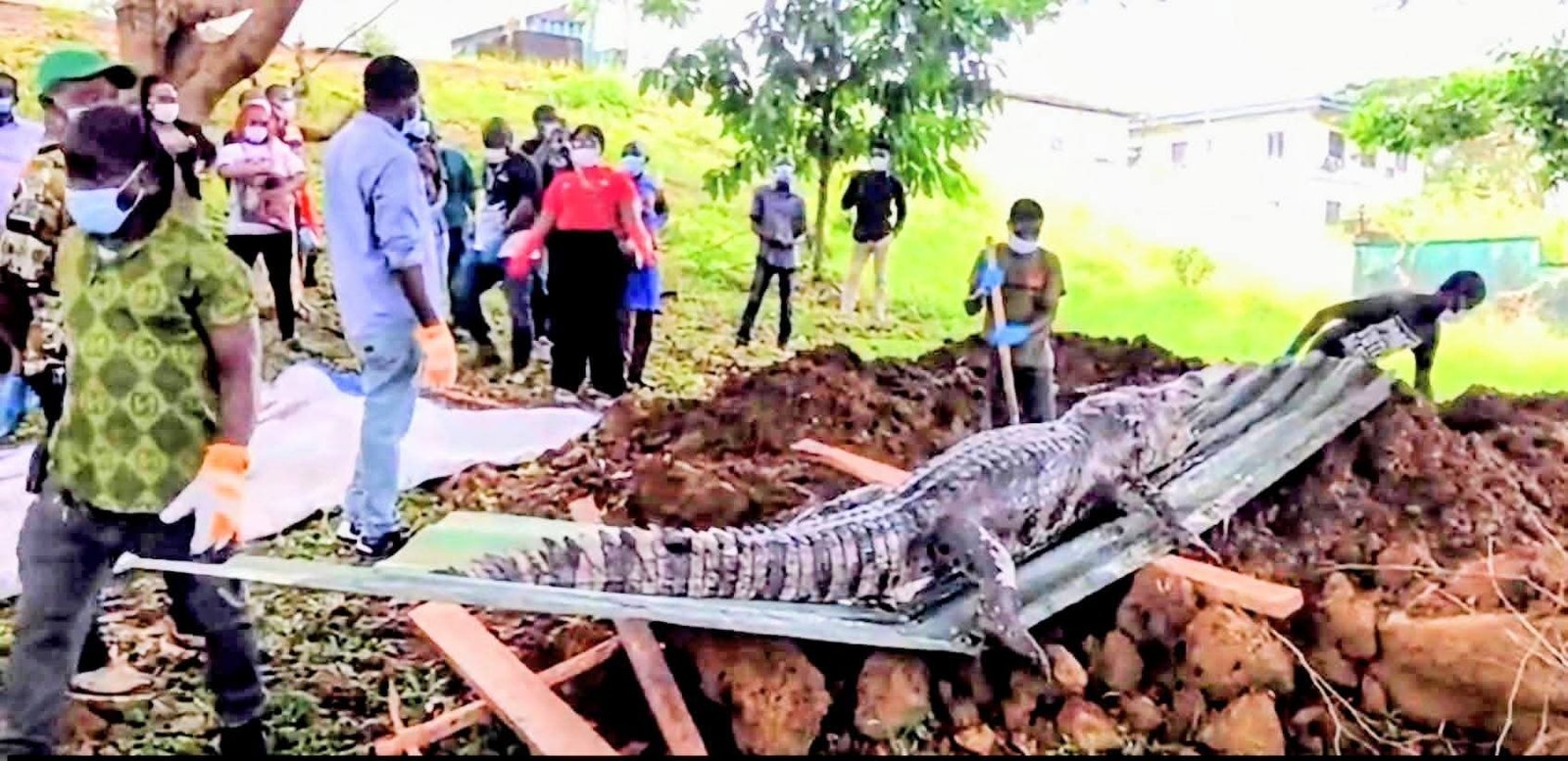
Monrovia-The Forestry Development Authority (FDA) has raised concerns over the growing cases of human-wildlife conflict in Liberia, warning that the situation poses threats to rural communities, public safety, food security, and the country’s economic stability.
In a statement issued in October 2026, the FDA identified Lofa, Gbarpolu, and Grand Cape Mount counties as the worst-affected areas, where encounters between people and wildlife have reportedly resulted in several deaths.
The Authority said the destruction of farms and crops by wildlife is also affecting rural livelihoods and undermining efforts to improve food security across the country.
According to the FDA, the growing conflict is being driven by several factors, including rapid population growth, unsustainable mining and logging activities, excessive hunting, and the continued encroachment of human settlements into wildlife habitats.
The Authority warned that these pressures are increasing interactions between people and wild animals, creating risks for both communities and wildlife.
The FDA said that over the past two years, it has worked with local and international partners to reduce human-wildlife conflict and help affected communities respond to such incidents.
One of the initiatives is the European Union-supported Protection of Biodiversity through Law Enforcement and Community-Led Initiatives project, which focuses on training and raising awareness among local communities.
According to the Authority, more than 400 local farmers have received training to help them respond to and mitigate wildlife-related conflicts.
The FDA said these efforts are intended to strengthen community awareness and improve local responses to encounters with wild animals.
The Authority also acknowledged support from the Society for the Conservation of Nature of Liberia (SCNL), which has worked with the FDA to provide cash assistance and essential food items to victims and affected communities.
However, the statement did not specify the total amount of financial assistance provided or the number of households that have benefited from the relief efforts.
Despite the interventions, the FDA said significant challenges remain and called for stronger cooperation among government institutions, international donors, and conservation partners.
The Authority emphasized that addressing human-wildlife conflict requires a coordinated approach involving different sectors, particularly those responsible for environmental protection, agriculture, mining, forestry, and community development.
It called for sustained support and long-term strategies to reduce encounters between people and wildlife, protect biodiversity, and promote peaceful coexistence between communities and wild animals.
The FDA also stressed the need to address the underlying causes of the conflict, including activities that damage natural habitats and force wildlife closer to human settlements.
The growing conflict presents a serious concern for rural communities that depend heavily on farming for their livelihoods.
When wildlife destroys crops or threatens people, affected households may face food shortages, loss of income, and increased risks to their safety.
The FDA’s warning highlights the importance of strengthening community-based conservation efforts while ensuring that affected residents receive the support needed to protect their lives and livelihoods.
The Authority said continued collaboration and long-term action would be necessary to reduce the risks, protect Liberia’s wildlife, and safeguard communities living near natural habitats.
About The Author