Liberia @ 179: A Nation Still Defining Its Promise Under President Boakai
As Liberia marks its 179th Independence Anniversary on July 26, the celebration offers more than a moment of patriotic reflection. It presents an opportunity for national introspection, a chance to ask difficult questions about where Africa’s oldest republic has been, where it stands today, and where it is heading.
For 179 years, Liberia has occupied a unique place in African history. Established in 1847 as Africa’s first independent republic, the nation became a beacon of hope for formerly enslaved Africans and a symbol of Black self determination. Yet the promise of independence has not always translated into prosperity, justice, or equal opportunity for all Liberians.
The country’s history has been marked by both remarkable resilience and painful setbacks. Decades of political exclusion gave way to the military coup of April 12, 1980, which ended more than a century of Americo Liberian political dominance but plunged the nation into prolonged instability. The civil wars that followed between 1989 and 2003 left an estimated 250,000 people dead, displaced nearly half the population, devastated infrastructure, crippled the economy, and weakened public institutions.
Although Liberia has enjoyed more than two decades of uninterrupted peace since the end of the conflict, the legacy of war continues to shape national development. Weak institutions, corruption, unemployment, poor infrastructure, inadequate healthcare, low educational outcomes, and heavy dependence on donor assistance remain significant obstacles.
At 179, Liberia remains a nation blessed with abundant natural resources, including iron ore, gold, diamonds, timber, fertile agricultural land, and a youthful population. Yet these advantages have not produced the level of economic transformation many Liberians envisioned.
It is against this historical backdrop that President Joseph Nyuma Boakai assumed office in January 2024, inheriting a country burdened by high public expectations, fiscal pressures, governance challenges, and rising demands for better public services.
Recognizing the magnitude of these challenges, President Boakai introduced the ARREST Agenda for Inclusive Development, a five-year national development framework centered on Agriculture, Roads, Rule of Law, Education, Sanitation, and Tourism. The agenda seeks to promote inclusive economic growth, strengthen democratic governance, improve public service delivery, create jobs, and enhance the quality of life for all Liberians.
The ARREST Agenda reflects an understanding that Liberia’s development challenges cannot be solved in isolation. Agriculture cannot flourish without good roads. Investors require confidence in the rule of law. Tourism depends on sanitation, infrastructure, and security. Education supplies the skilled workforce needed to sustain every sector of the economy.
More than two years into his administration, President Boakai has made measurable progress in several areas, even as his government continues to face criticism over the pace of implementation.
One of the administration’s most notable successes has been restoring Liberia’s diplomatic profile on the international stage.
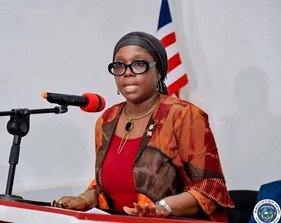
Foreign Minister, Nyanti
Under the leadership of Foreign Minister Sara Beysolow Nyanti, Liberia has strengthened bilateral and multilateral relationships, expanded diplomatic engagement within ECOWAS and the African Union, and reinforced partnerships with the United States, the European Union, the World Bank, the International Monetary Fund, and other development partners. The country’s foreign policy has emphasized regional peace, democratic governance, climate resilience, and economic cooperation.
These diplomatic efforts have enhanced Liberia’s international credibility and positioned the country to attract additional development assistance and investment.
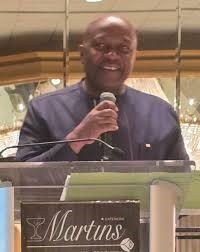
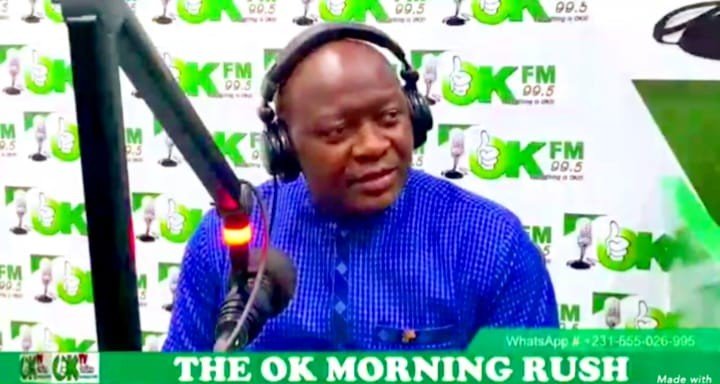
Finance minister, Ngafuan
The Ministry of Finance and Development Planning has likewise worked to improve fiscal management despite difficult global economic conditions. Through stronger engagement with international financial institutions and development partners, the ministry has continued efforts to mobilize domestic revenue, improve budget execution, and secure financing for critical infrastructure and social development projects.
Maintaining macroeconomic stability while responding to growing public demands for improved services remains one of the administration’s most delicate balancing acts.
President Boakai has also consistently emphasized accountability and responsible stewardship of public resources.
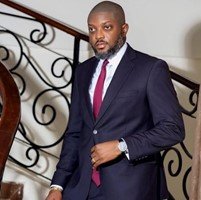
GAC boss, Mr. Garswa Jackson
The General Auditing Commission continues to perform one of the most important functions in Liberia’s governance architecture by conducting independent audits that expose financial irregularities and strengthen transparency across government institutions. These audit reports have become valuable tools for legislative oversight and public accountability.
Similarly, the Liberia Anti Corruption Commission continues investigating allegations of corruption while promoting ethics, integrity, and transparency within public institutions. Although many Liberians continue calling for more successful prosecutions and stronger enforcement, the commission remains central to the country’s broader anti corruption agenda.
President Boakai has further demonstrated a commitment to reducing unnecessary government spending by directing cabinet ministers and senior officials to limit excessive foreign travel and prioritize domestic responsibilities. Such measures have been welcomed by many citizens who believe government resources should primarily benefit national development rather than administrative luxuries.
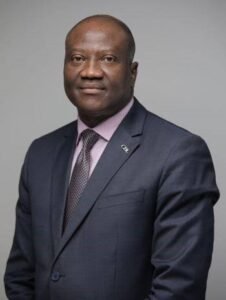
Mr. Henry F. Saamoi

LACC boss Cllr. Cllr. Alexandra Zoe,
The administration has also continued investing in road rehabilitation and infrastructure development, recognizing that improved transportation networks are essential for agriculture, trade, healthcare, and education. Although many projects remain ongoing, expanding road connectivity remains one of the government’s central development priorities.
Education, one of the pillars of the ARREST Agenda, requires significantly greater attention.
Many public schools continue operating with inadequate classrooms, insufficient teaching materials, overcrowded learning environments, and shortages of qualified teachers. In several rural communities, children still travel long distances to attend school under challenging conditions.
Improving educational quality is no longer simply a social objective. It is an economic necessity. Liberia cannot compete in an increasingly knowledge driven global economy without producing graduates equipped with the technical, vocational, and digital skills demanded by modern industries.
The health sector faces equally pressing challenges.
Although Liberia has made considerable progress in disease surveillance and emergency preparedness since the Ebola epidemic and the COVID 19 pandemic, many health facilities continue experiencing shortages of medicines, laboratory equipment, ambulances, and trained medical personnel. This is where more help is needed.
Access to affordable healthcare remains particularly difficult for citizens living in remote communities, where infrastructure limitations often delay treatment and increase preventable deaths.
Agriculture represents perhaps Liberia’s greatest untapped opportunity.
Despite employing a large percentage of the population, the sector continues operating largely at subsistence level. Liberia still spends millions of dollars annually importing rice and other basic food commodities that could increasingly be produced locally through improved irrigation, mechanization, research, extension services, storage facilities, and access to agricultural finance.
If properly developed, agriculture could become one of Liberia’s largest employers while strengthening food security and reducing dependence on imports.
Commerce is another sector where stronger intervention is needed.
The Ministry of Commerce and Industry faces increasing expectations to stabilize markets, protect consumers from unfair pricing practices, encourage domestic manufacturing, support entrepreneurs, and improve the overall business climate.
Creating an economy where Liberian owned businesses can compete effectively will require stronger policy coordination, access to affordable credit, improved infrastructure, and predictable regulations.
Sanitation also deserves greater national attention.
Waste management continues posing serious environmental and public health challenges, particularly within Monrovia and other urban communities. Cleaner cities not only improve public health but also strengthen tourism, investment, and national pride.
While the Boakai administration has outlined ambitious goals, implementation will ultimately determine whether the ARREST Agenda becomes a transformative national blueprint or another development plan that falls short of expectations.
Encouragingly, Liberia today enjoys democratic stability that was unimaginable two decades ago. Peaceful elections, constitutional transfers of power, increasing civic participation, and stronger public debate demonstrate important democratic progress.
As the nation celebrates 179 years of independence, the responsibility for national transformation cannot rest solely with government.
The private sector must invest responsibly. Civil society must continue demanding accountability while contributing constructive solutions. Development partners must remain supportive of nationally driven priorities. Citizens themselves must embrace civic responsibility, pay taxes where applicable, reject corruption, protect public property, and actively participate in nation building.
History demonstrates that no nation achieves sustainable development through government action alone. National progress requires collective commitment.
The coming years will determine whether his administration can accelerate implementation, deepen reforms, expand economic opportunities, strengthen institutions(even though he has started) and restore public confidence in government’s ability to deliver meaningful change.
As Liberia approaches its historic 180th Independence Anniversary next year, the country stands at another defining moment in its national journey.
That is the challenge before the government. More importantly, it is the responsibility of an entire nation determined to ensure that Liberia’s best days are not behind it, but still lie ahead. It is important to note that this requires everyone’s full participation. Not only the president alone.
About The Author