By Jamesetta D. Williams
The National Public Health Institute of Liberia (NPHIL) has assured the public that the country remains free of Ebola, but has warned that significant preparedness gaps must be addressed to strengthen the nation’s ability to respond to any potential outbreak.
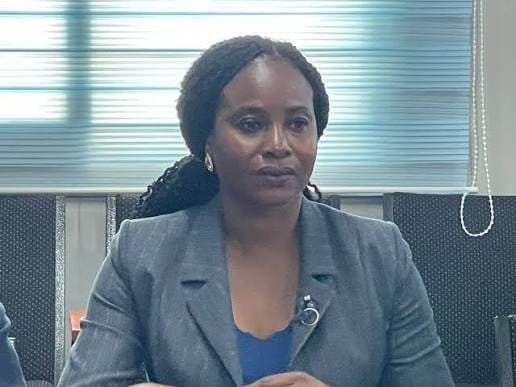
Speaking at a press conference on Monday, NPHIL Interim Director General Dr. Sia Wata Camanor said a recent nationwide Ebola preparedness assessment identified several areas requiring urgent intervention despite Liberia’s current Ebola-free status.
According to Dr. Camanor, the multidisciplinary assessment covered all 15 counties and evaluated key components of the country’s public health preparedness, including disease surveillance systems, border points of entry, laboratory capacity, emergency operations centers, and isolation facilities.
She noted that Liberia’s disease surveillance system remains functional, with trained health workers actively monitoring and responding to potential public health threats across the country.
However, Dr. Camanor said the assessment also revealed persistent challenges, particularly at several border entry points, where shortages of logistics, transportation, communication equipment, and personnel continue to affect preparedness efforts.
The NPHIL Interim Director General disclosed that nearly 1,000 travelers have been screened since May 2026 as part of routine Ebola surveillance measures. She said the majority have successfully completed the mandatory 21-day monitoring period, with no Ebola cases detected.
Dr. Camanor further stated that the Government of Liberia, with support from development partners including the World Bank, the United States Centers for Disease Control and Prevention (U.S. CDC), and the World Health Organization (WHO), is implementing measures to strengthen disease surveillance, improve border infrastructure, upgrade emergency operations centers, and enhance laboratory capacity nationwide.
While reassuring the public that there is currently no Ebola outbreak in Liberia, she urged citizens to remain vigilant by practicing good hygiene, promptly reporting unusual illnesses to health authorities, and relying on verified information from official government sources.
The latest assessment forms part of Liberia’s ongoing efforts to maintain a high level of preparedness against Ebola and other emerging public health threats while strengthening the country’s overall disease detection and response systems.
About The Author