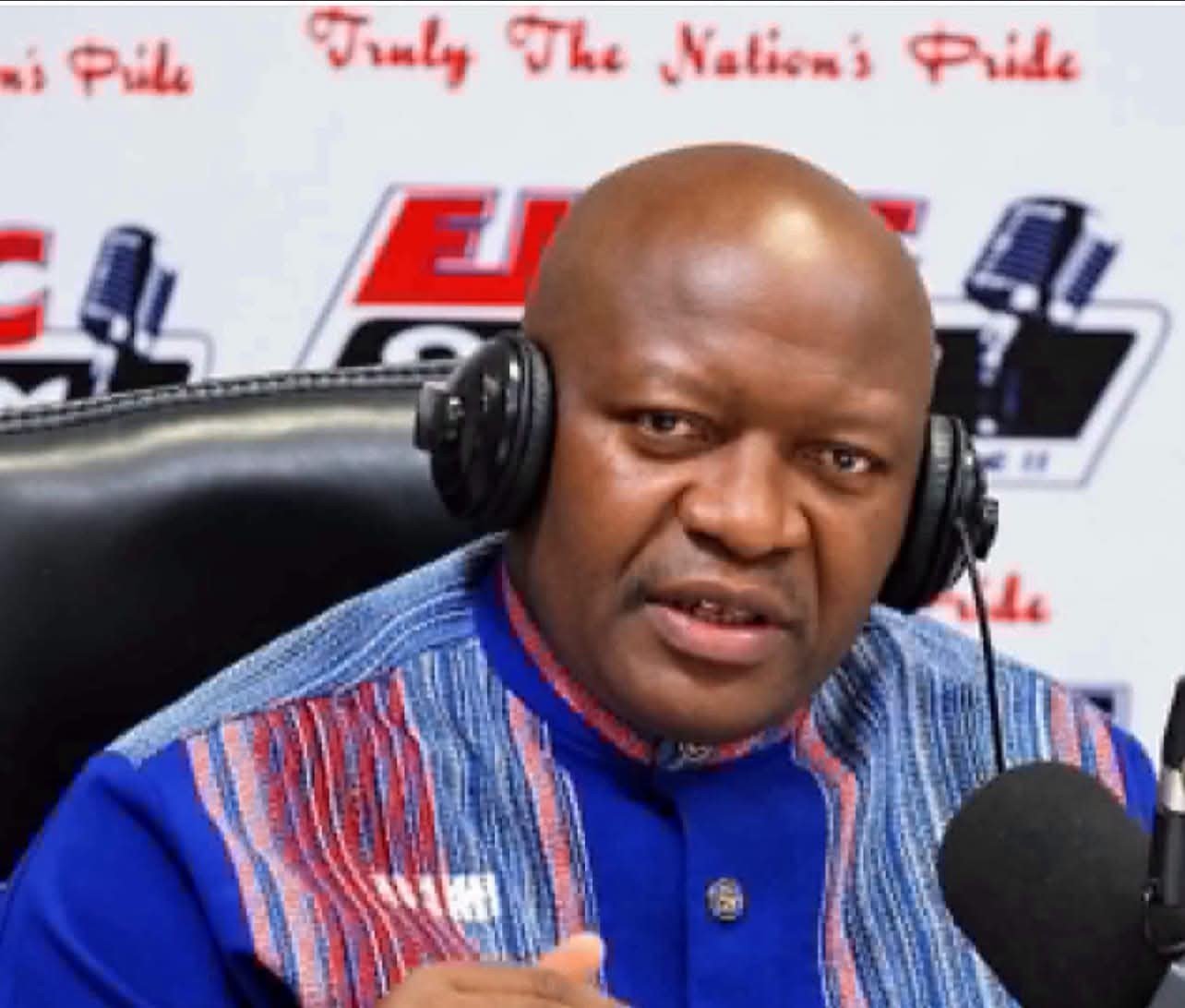
Monrovia-Finance and Development Planning Minister Augustine Kpehe Ngafuan has mounted a robust defense of the Unity Party-led government’s development strategy, insisting that completing inherited projects must take precedence over rushing to launch new ones.
His comments come amid a heated public exchange with former Finance Minister Samuel D. Tweah and the opposition Coalition for Democratic Change (CDC) over who gets credit for ongoing development and whether the Boakai administration has any projects of its own to show.
Responding to mounting criticism that the Rescue Government has failed to initiate and finance its own signature projects since taking office in January 2024, Minister Ngafuan said abandoning unfinished projects would be fiscally irresponsible and a betrayal to Liberians who have waited years for basic infrastructure.
“Some people ask why we are not starting new projects. But have we completed all the old projects so that we can focus entirely on new ones?” Ngafuan asked. He added pointedly: “Is the road cursed because another government started it? No!”
The Minister was defending the government’s decision to continue work on critical road corridors, notably the road connecting Monrovia to the Roberts International Airport (RIA) and the broader Monrovia-Gbarnga-Zwedru corridor.
According to Ngafuan, the government cannot pretend Liberia’s infrastructure deficit disappeared with a change of administration.
He cited pressing needs in Lofa County, particularly the Mendikoma to Voinjama and Voinjama to Gbarnga routes, where communities remain cut off during the rainy season because projects started years ago were never completed.
Ngafuan disclosed the financing realities behind the government’s approach, revealing
that the government has signed a US$250 million agreement with the World Bank to support the Monrovia to Gbarnga and onward to Zwedru road project, a decades-old dream for southeastern Liberia.
On the RIA highway, he explained that a significant portion of the current budget is not for new construction but for servicing old debts.
The government, he said, is repaying the African Export-Import Bank (Afreximbank), which helped finance the RIA road under the previous administration.
He disclosed that the government has been informed that an additional US$35 million is still needed to fully complete the RIA corridor, and efforts are underway to secure that funding.
The MFDP boss urged Liberians questioning how the billions in the national budget are being spent to consider these debt obligations, stating that failing to pay would cause ongoing projects to grind to a halt.
“We are humble enough to acknowledge that the billions we have raised cannot solve every problem. We need to raise more,” Ngafuan admitted, noting that Liberia’s financial resources remain insufficient to address all development needs at once.
Beyond roads, Ngafuan listed a slate of projects he said show the government is not idle, including hospital projects in Grand Gedeh County, Military barracks under construction in Nimba County, Science complexes at the University of Liberia campuses, health complex at Grand Gedeh University, and government funding for new auditoriums across the country.
He also stated more than 800 chiefs and local government officials placed on the government payroll since July 2025, as part of decentralization.
The Minister argued these demonstrate continued development activity across sectors, even while inherited projects are being completed.
The defense comes as former Finance Minister Samuel D. Tweah, a key architect of the CDC’s economic policy, has directly challenged the Unity Party’s development narrative.
Tweah has argued that the Rescue Government is largely cutting ribbons on projects initiated, financed, and substantially completed under former President George Weah, while failing to identify projects it has itself initiated and financed from scratch.
He specifically cited the Redemption Hospital project, claiming the CDC administration had completed about 70 percent of the work before leaving office, and demanded that the current government publicly acknowledge the contributions of its predecessor.
Tweah has also questioned the visible impact of the current budget, which has grown to record levels, arguing that Liberians are yet to see commensurate new development achievements to justify the spending.
The Ngafuan-Tweah exchange reflects a broader, cyclical debate in Liberian politics: every new government inherits unfinished projects, every opposition accuses the incumbent of having no new projects, and the public is left asking for clear accounting.
For the Unity Party, the argument is continuity and responsibility, taxpayers already paid for these projects, so they must be finished.
For the CDC, the argument is ownership and transparency, completing another government’s project is not the same as conceiving and financing your own.
As the 2026/2027 budget debate approaches, the House of Representatives is now demanding detailed breakdowns of project funding, implementation progress, and measurable results, a move that will force both sides to move beyond rhetoric and show Liberians exactly where the money is going.
About The Author