By Jamesetta D. Williams
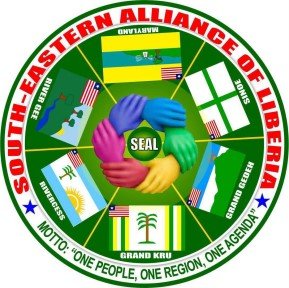
Monrovia- The South-Eastern Alliance of Liberia (SEAL) has called for independent audits and greater transparency in the management of Legislative Support and District Development Funds for the 2025–2026 fiscal year amid concerns over the alleged misuse of public resources by some lawmakers.
In a press statement issued on October 13, SEAL said it had received reports alleging that some legislators may have used funds allocated for public development projects for personal business, private interests, or family-related expenses rather than for their intended purposes.
The organization also raised concerns that some lawmakers may be presenting publicly funded projects as personal achievements through the use of their names, photographs, and political branding.
However, SEAL emphasized that the allegations do not, by themselves, establish wrongdoing by any particular lawmaker, calling for independent verification and appropriate action by the relevant oversight institutions.
The group said public funds must be managed transparently and used to improve the living conditions of citizens, particularly in South-Eastern Liberia, where many communities continue to face challenges involving education, healthcare, sanitation, safe drinking water, roads, and economic opportunities.
According to SEAL, preliminary information received by the organization indicates that senators may have been allocated approximately US$75,000 each, while representatives may have received between US$45,000 and US$50,000 for legislative or district development activities during the 2025–2026 fiscal period.
The organization cautioned that the figures have not been independently verified and called for the publication of official budget documents, disbursement records, and other financial information to establish the amounts appropriated, approved, released, and actually received by individual lawmakers.
SEAL stressed that the distinction between approved allocations and actual disbursements is important in determining how much public money was made available and how it was used.
The group maintained that accountability must be based on verifiable financial records rather than assumptions or unconfirmed reports.
It also called for the disclosure of project costs, contractors, locations, implementation records, and the results achieved through the use of the funds.
SEAL said public development funds should be used to address the pressing needs of communities across the country’s southeastern counties, including Sinoe, Grand Gedeh, Grand Kru, River Gee, River Cess, and Maryland.
The organization identified school and clinic renovations, hand-pump construction and repairs, town hall improvements, feeder bridges, and initiatives supporting women, young people, farmers, and small businesses as areas where development funding could make a meaningful difference.
According to the group, communities that continue to struggle with access to basic services need development projects that deliver measurable results.
SEAL argued that the performance of elected officials should not be judged solely by public announcements, project signboards, photographs, or political ceremonies.
Instead, it said lawmakers should demonstrate how public resources have been spent and provide evidence that funded projects have been completed and are benefiting the intended communities.
The organization emphasized that public money is held in trust for citizens and should not be used for the personal promotion of public officials.
As part of its accountability efforts, SEAL has called on lawmakers from the southeastern region who received the funds to provide detailed accounts of their utilization within seven working days of the October 13 statement.
The organization wants lawmakers to disclose the amounts appropriated, released, and received, along with the names, locations, and descriptions of funded projects.
It is also requesting information on approved and actual project costs, contractors, suppliers, implementing entities, available contracts, receipts, payment records, and completion certificates.
For projects that remain unfinished, SEAL wants lawmakers to provide explanations and updates on their implementation status.
The organization encouraged legislators to make the information available through accessible public channels so constituents can examine the records and assess the results.
SEAL said public disclosure would help strengthen public confidence and allow citizens to determine whether development funds are being used for their intended purposes.
The organization also announced plans to establish a Regional Monitoring and Accountability Team to document and assess projects reportedly financed through Legislative Support and District Development Funds during the 2025–2026 fiscal year.
According to the statement, the team will cover the six southeastern counties and seek documentary evidence, consult community stakeholders, and inspect accessible project sites.
SEAL said the monitoring exercise would distinguish verified findings from unsubstantiated allegations and give concerned parties an opportunity to respond.
The organization further indicated that it intends to publish preliminary findings on a district-by-district basis following its verification process.
It said any report would identify documented facts, outstanding questions, and allegations requiring further investigation.
The group added that lawmakers and other parties concerned would be given a reasonable opportunity to respond before adverse conclusions are presented as established findings.
SEAL has called on the General Auditing Commission (GAC), the Liberia Anti-Corruption Commission (LACC), and other relevant government institutions to examine the allocation, disbursement, procurement, and use of the funds.
The organization wants the appropriate authorities to verify expenditures against supporting documents and investigate any substantiated evidence of fraud, diversion of public funds, procurement violations, or other financial irregularities.
It also called for applicable reporting requirements to be established and enforced to ensure that public officials account for resources entrusted to them.
SEAL maintained that any proven wrongdoing should be addressed through established legal and administrative procedures, with appropriate sanctions imposed where violations are established.
The group urged oversight institutions to carry out their responsibilities impartially, without political favoritism or selective enforcement.
SEAL is also encouraging citizens, traditional leaders, civil society organizations, youth groups, women’s organizations, and community-based associations to report credible information concerning the suspected misuse of public funds or the failure to deliver publicly financed projects.
The organization said relevant information could include photographs, videos, project records, receipts, contracts, and firsthand testimonies.
However, it cautioned against circulating fabricated evidence or presenting unverified allegations as established facts.
SEAL said information should be submitted responsibly and, where necessary, through appropriate confidential channels to support credible investigations.
The organization described accountability as a fundamental responsibility of democratic governance rather than an act of political hostility.
It argued that elected officials have an obligation to explain how public resources entrusted to them have been used, while oversight institutions must investigate credible allegations fairly and transparently.
SEAL warned that communities in South-Eastern Liberia should not be mobilized during elections and neglected when development resources are allocated.
The group said residents deserve functioning schools, accessible healthcare, safe drinking water, improved roads, employment opportunities, and public institutions that respond to their needs.
It reaffirmed its commitment to pursuing the facts, engaging communities, requesting relevant records, and advocating for accountability through lawful means.
SEAL called on lawmakers, government institutions, and other stakeholders to cooperate with legitimate efforts to establish how the funds were managed and whether the intended development projects were delivered.
The organization maintained that public resources must be accounted for, publicly funded projects must be verified, and public officials must answer to the people.
The allegations and preliminary funding figures raised by SEAL remain subject to verification. Official financial records and responses from the lawmakers concerned and the relevant oversight institutions would be necessary to establish whether any funds were misused.
About The Author