By Jamesetta D Williams
MONROVIA – Former Finance and Development Planning Minister Samuel D. Tweah Jr. has publicly challenged recent remarks by Deputy Speaker Thomas Fallah regarding the condition of the Lofa Road during the administration of former President George Weah.
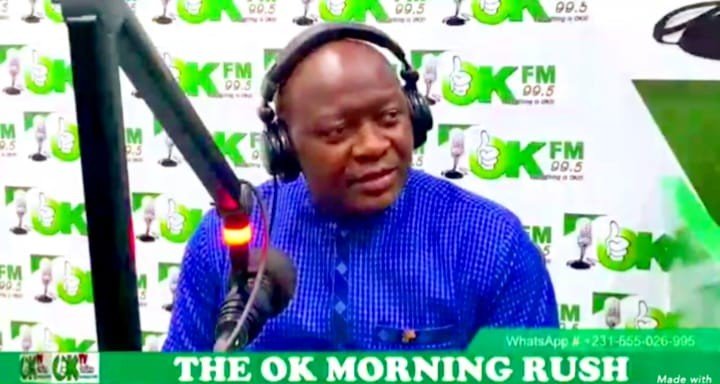
Tweah’s response followed comments made by Fallah during an appearance on Spoon FM, where the Deputy Speaker said traveling to Lofa County under the Coalition for Democratic Change (CDC) government often took between two and five days because of the poor state of the road. He asserted that the current Unity Party administration has improved the corridor, reducing travel time from Monrovia to Lofa to about five hours.
In a brief but pointed response, Tweah accused Fallah of misrepresenting the facts.
“T5, I went to Voinjama in November 2022 and spent five hours from Gbarnga. On my return, we left at noon and passed you on the way at 5:00 p.m., just before my accident. Stop the lies,” Tweah wrote.
The exchange comes as Fallah continues to express support for President Joseph Nyuma Boakai and his administration. During the radio interview, the Deputy Speaker said he remains committed to backing President Boakai, adding that even if the President chooses not to seek another term, he would support whoever Boakai endorses as his successor.
Fallah also praised the Unity Party government, arguing that it is making significant progress in national development. He maintained that the current administration is delivering on infrastructure and governance in ways the previous CDC government was unable to achieve.
Tweah’s rebuttal adds to the growing public debate between former CDC officials and members of the current administration over the record of infrastructure development, particularly road connectivity, as political discussions surrounding Liberia’s future continue to intensify.
The differing accounts from the two former CDC allies underscore the increasingly active political discourse ahead of the country’s next electoral cycle, with both sides offering contrasting assessments of past and present government performance.
About The Author