
By Jamesetta D. Williams
Monrovia-The Public Procurement and Concessions Commission (PPCC) has called on ministries, agencies, and commissions of government to begin preparing and submitting their procurement plans for the 2027 fiscal year ahead of the passage of the national budget.
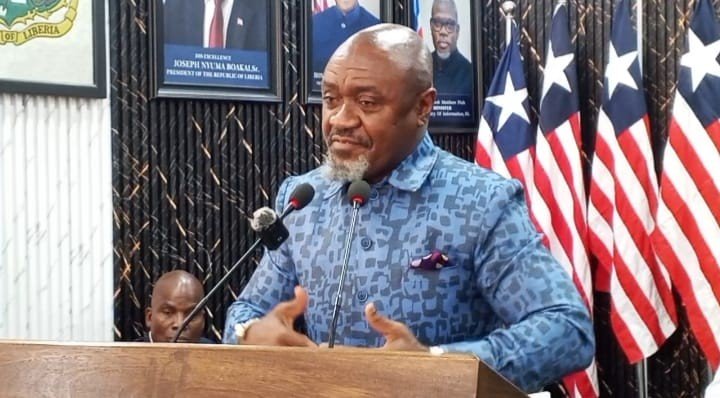
PPCC Executive Director Bodger Scott Johnson said government entities are expected to begin preparing their procurement plans using proposed budget allocations, with submissions to the Commission starting November 23.
Speaking at the Ministry of Information Thursday, Johnson said the exercise is intended to help government institutions prepare for procurement activities early and reduce delays in implementing development projects once the national budget is passed into law.
He said entities are encouraged to begin market research, engage potential suppliers, prepare specifications and terms of reference, estimate costs, identify procurement packages, and develop bidding documents before the budget is approved.
Johnson stressed, however, that advance preparation does not authorize government entities to commit public funds or award contracts before the national budget is passed into law.
According to him, entities may undertake preparatory procurement activities, including advertising bids and conducting bid evaluations where permitted under the applicable regulations, but must not approve contract awards, issue letters of award, or sign contracts before the budget becomes law.
He said the Commission would review submitted procurement plans and provide provisional approval, with the process expected to help institutions move quickly into implementation once the budget is approved.
Johnson said entities would be required to adjust their procurement plans if lawmakers make changes to their proposed allocations during the budget process.
He explained that the Commission expects to respond to submitted procurement plans within 21 days or less, provided the required information and procurement packages are properly prepared.
The PPCC Executive Director also warned that ministries, agencies, and commissions with outstanding procurement reports would not benefit from provisional approval for advance procurement.
He said government entities are required to submit quarterly procurement reports and urged institutions to ensure their reports for the first, second, and third quarters of 2026 are up to date before seeking provisional approval.
Johnson said the Commission’s decision is intended to strengthen regulatory oversight, improve compliance, and ensure that public procurement activities are properly documented and monitored.
He noted that approximately 35 to 40 percent of Liberia’s national budget is spent on procurement, making transparency and accountability in the process critical to the effective use of public resources.
The Commission’s advance procurement initiative is aimed at reducing delays that often occur after the national budget is passed, allowing government entities to prepare in advance and begin implementing projects earlier in the fiscal year.
Johnson said the Commission wants government institutions to be ready to commence procurement activities as soon as the budget is approved, rather than spending several months preparing procurement documents and processes.
Meanwhile, Johnson disclosed that the Commission is expanding its electronic procurement platform to bring more government institutions into the system.
He said 56 government entities are currently using the platform, with plans to add 50 more in 2027, bringing the total to 106 institutions.
According to him, the Commission has begun engaging the additional institutions and plans to provide training and equipment, including laptops and scanners, to support their participation in the system.
Johnson said the platform has improved public access to government procurement opportunities by allowing businesses and citizens to view tender notices and follow procurement activities online.
He also disclosed that the platform has facilitated approximately US$150.57 million in contract awards, while generating nearly US$500,000 in revenue for the Government through vendor registration and related services.
The Executive Director said the Commission is also working to increase participation by Liberian businesses in government procurement, including efforts to enforce the five-percent allocation intended for eligible local businesses.
He encouraged businesses to register on the electronic procurement platform and take advantage of opportunities to compete for government contracts.
Johnson said the Commission remains committed to promoting transparency, accountability, and fair competition in public procurement, adding that the expansion of electronic procurement is expected to strengthen public confidence in the government’s contracting process.
About The Author