By Sherman C. Seequeh
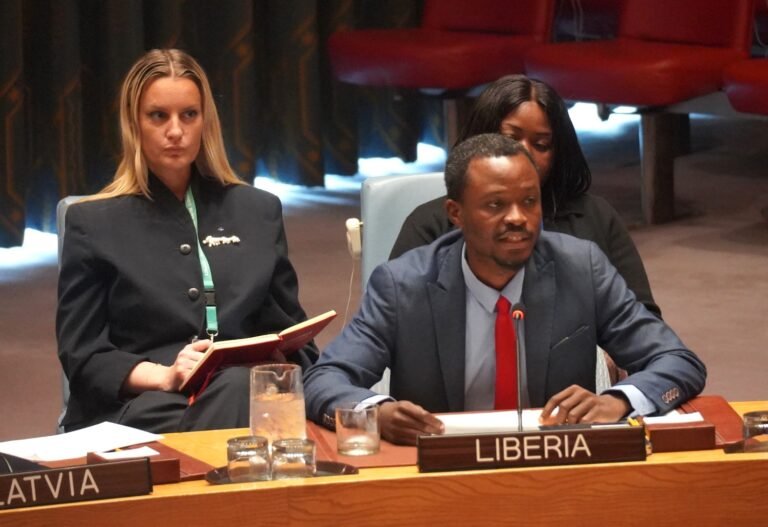
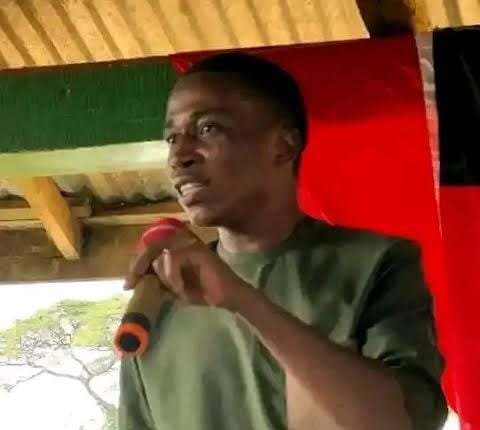
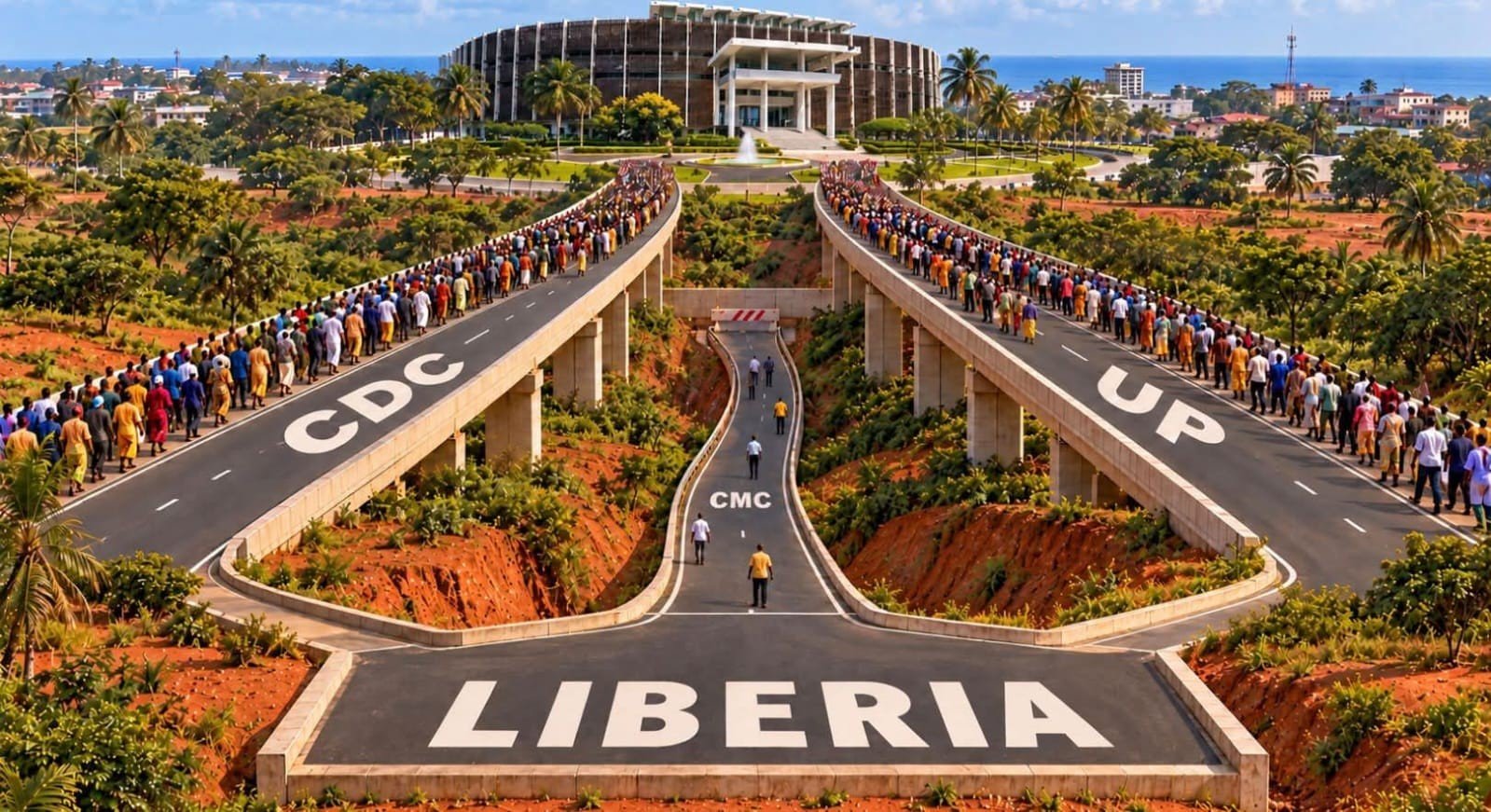
Monrovia-There is a new sweet song in our politics, and Representative Musa Hassan Bility is the lead singer. He calls it the “third lane.” Both the CDC and the Unity Party, he says, have failed Liberia and no longer deserve our trust; so he invites the weary voter to leave the two old roads and follow him down a fresh one — clean, moral, untouched by party color or war-era fame. It is a beautiful tune. I have heard it sung before, in bigger countries than ours, by men with far deeper pockets — and every time, I have watched where it leads. It leads off a cliff.
THE ARITHMETIC NO SPEECH CAN REPEAL
Let us begin where honest politics must — with the hard numbers, not the pretty words. Liberia does not choose her President by who shouts loudest. We choose by absolute majority, in a runoff. And when the dust settled on that runoff in 2023, the two parties Mr. Bility now waves away had shared more than one-point-six million votes between them — eight hundred and fourteen thousand for the Unity Party, seven hundred and ninety-three thousand for the CDC. That is very nearly every active voter in the republic, standing in one of only two lines.
Hear the irony. Mr. Bility himself tried to shrink that figure to 1.4 million, and the fact-checkers had to correct him upward — the man preaching a third lane cannot even count the two lanes he begs us to leave. Dislike the duopoly all you wish; but given the fact that this remains a runoff nation, you simply cannot wish away the second ballot. On that second Tuesday there are only two doors to the Executive Mansion — and the third-laner is left in the yard, knocking politely on a wall.
THE SPOILER DRESSED AS THE SAVIOUR
“But the people are tired of both,” the singer insists. Yes, they are. And the graveyard of democratic politics is full of tired people who followed a third lane and buried the very cause they loved.
Look abroad, where this song was written. Ross Perot, an American billionaire, won almost one in five votes in 1992 — and not a single state; he merely split the house and handed the keys to Bill Clinton. Ralph Nader ran in 2000 as the pure, clean alternative and, in Florida, arguably delivered the whole White House to George Bush by five hundred and thirty-seven votes. In Britain they tried to “break the mould” in 1983 with a quarter of the national vote — and won about three percent of the seats. That is the iron law of the third lane, my people: it does not win the race, it only decides who loses it. A vote for the “third lane” in a runoff country is no protest — it is a quiet gift, hand-delivered to whichever side you hate the most.
A MOOD IS NOT A MANIFESTO
Now strip the music away and ask the plain question every market woman asks before she parts with her money: what exactly am I buying here? “Forward to what frees us” rhymes nicely, but you cannot build a clinic out of a rhyme, nor tar the Ganta highway with a metaphor. Even his admirers concede the cupboard is bare: the lawyer Lafayette Gould grants that the CMC carries “no written agenda distinct from other parties.” Anyone can stand on the touchline and shout that both teams are dirty. But governing is not shouting; governing is choosing — and a man who refuses to choose is of little use to a hungry nation.
THE MORALIST’S OWN LEDGER
Now the hard part, and I say it with no joy. Mr. Bility sells himself as the uncorrupted lane — the one clean road in a dirty country. But a man who markets his own purity so loudly must be ready to have his own ledger opened. Frankly speaking, this same gentleman carries some widely known and well-documented excess baggage of his own — matters of money and management that trailed him long before he ever discovered his third lane. And to all of it, more often than not, he gives the same tired answer: that he was “never tried, never found guilty.”
But that answer is the identical plea of every official he climbs onto his third lane to condemn. As I see it, the man who would sell us incorruptibility should first settle his own accounts. A road to national renewal, in as much as we all crave one, cannot be paved by a driver whose own license is anything but clean.
THE ANTI-TRIBALIST IN SANNIQUELLIE
And watch the feet, my friends, not only the mouth. He tells all Liberia to “look past tribalism and historical loyalties” — then travels to Sanniquellie to ask the people of Nimba, his own county, to make the “right choice,” building county by county, beginning precisely where his name rings loudest. There is nothing wrong with a son loving his county. But there is something deeply wrong with preaching national oneness from a strictly regional pulpit and christening it a brand-new politics. The third lane almost always begins its journey as a narrow one-county road.
WHY HE WILL NOT SIT AT THE TABLE
Let us be fair where fairness is owed. Mr. Bility is wealthy — among the wealthiest Liberians, by his own telling — and he has put that wealth to work on a mobilization and visibility spree across the counties that few others could afford. But money cannot buy the one thing democratic politics actually counts: votes. For all the noise and the travel, he remains contested, inexperienced, and — let us say the quiet part out loud — by far unpopular. He has never carried a national election, never built a following beyond his own county, and he knows it better than any of us.
That, and not high principle, is the true reason he will not sit at the coalition table. For that table is a weighing scale, and every leader seated there is measured by one brutal question: how many votes can you bring? Stripped of the convoy and the cameras, Mr. Bility knows his own weight is too light to bargain with. He would be asked to pour his riches into a bigger man’s victory and walk away with no real share of the power — and no businessman spends like that. So he does the only thing a weak hand can do: he hides his cards and baptizes it “independence.” “Unity among equals,” he demands; but equality there is never declared — it is earned, in one currency alone: numbers.
And there is a further weight already strapped to his ankles. Through the bitter collapse of the old Collaborating Political Parties, Mr. Bility ran a long and punishing legal marathon — tangled over the Liberty Party chairmanship, caught in the CPP’s framework-document crisis, dogged by questions over unpaid taxes. The man now selling himself as the clean escape from our broken politics spent those years knee-deep in its most tangled litigation. That record still holds him in check, and he drags it onto his shiny new third lane.
SO WHO REALLY PROFITS?
Let us ask, then, the only question that finally matters, and let us ask it coldly. In a runoff nation, who truly profits when the opposition is cut into pieces?
Not the CDC, which — in as much as its critics may wish otherwise — carries the single largest following in the land, one that, as this newspaper reported, filled the road from the airport last month without a single government bus. Not the tired voter, who still ends up choosing between two. The one who profits — the only one — is the sitting government. Every vote Mr. Bility peels away in the first round, and every coalition he refuses in the second, is a vote deposited, with a warm smile, into the Unity Party’s re-election account.
“The opposition is not CDC property,” he says. And on that single point, he is correct. But the opposition is also not a private boutique for one man’s presidential daydream. A house divided against itself does not win the election. It simply re-elects the landlord.
So Liberia, hear me well. We do not have three lanes to the Executive Mansion. We have a runoff — and a runoff is a door built for exactly two. The third lane is a mirage, the very kind that shimmers on the hot asphalt between Red Light and Ganta at high noon. To the thirsty traveler it looks like a pool of cool, clean water lying across the road. But every driver who has ever chased it knows the bitter truth: you never reach it. It only keeps sliding further away. And while your eyes stay fixed on that pretty, empty shimmer, you drive clean past the real water — and carry your thirsty family further and further from home.
Note: Views expressed in this article are those of the author’s, not representing the paper’s editorial position.
About The Author