
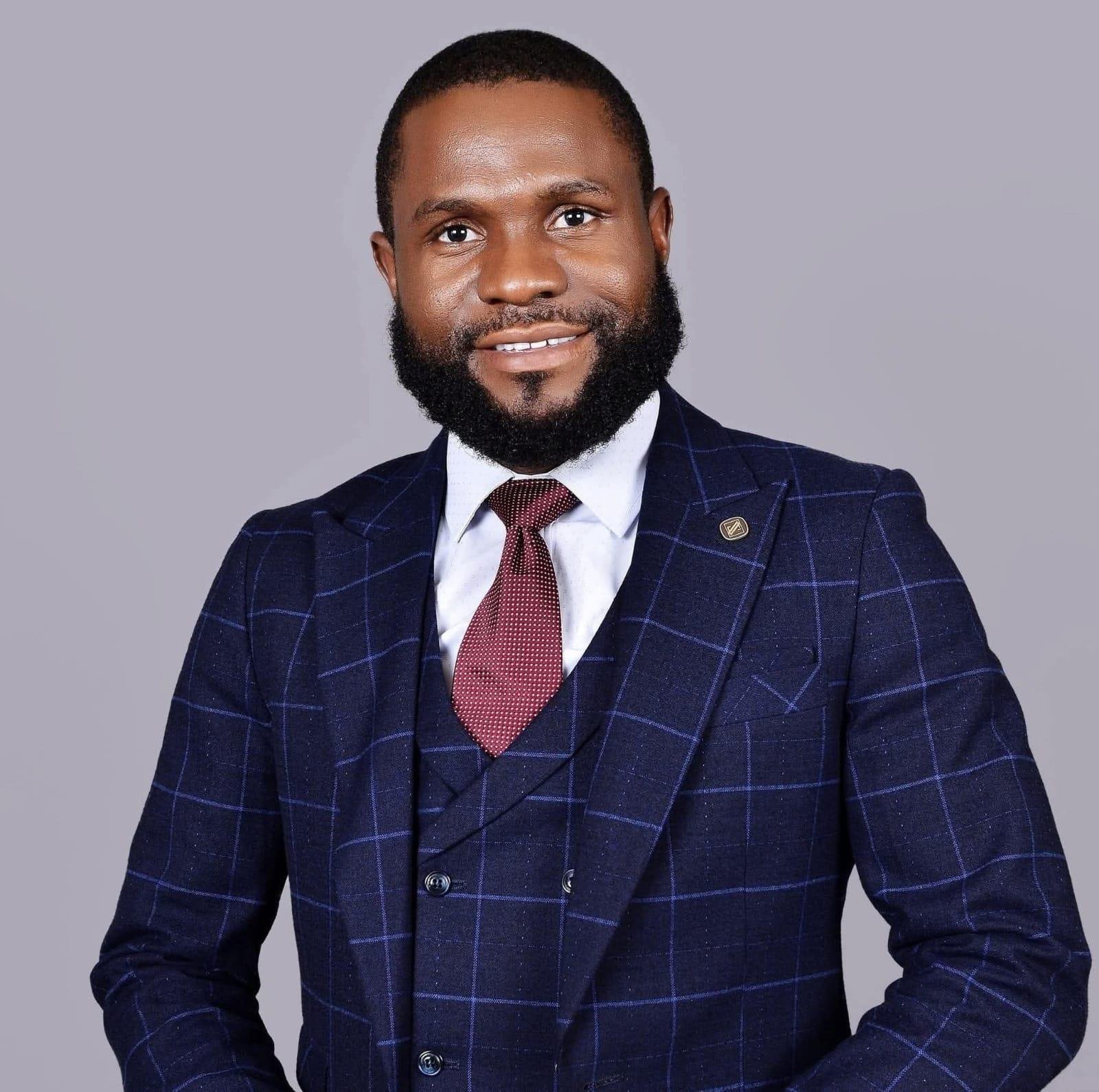
By Jamesetta D Williams
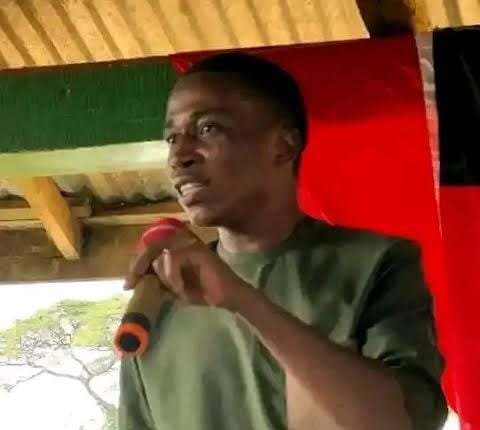
Monrovia-The Chairman of the Unity Party National Youth Congress, Togar Melvin Cephas, has called for stronger anti-corruption measures within government while demanding the removal of Liberia’s Justice Minister over what he described as a failure to aggressively prosecute corruption-related cases.
Cephas’ statement comes at a time when supporters of the Congress for Democratic Change (CDC) are reportedly celebrating the recent jury verdict acquitting former Finance and Development Planning Minister Samuel D. Tweah of corruption charges.
According to sources, CDC partisans have begun mobilizing and reorganizing following the verdict, which many supporters describe as a “rebirth of hope” for the opposition party and a boost to the possible political comeback of former President George Weah.
Amid the growing political discussions, Cephas issued a strongly worded statement emphasizing that the Unity Party administration came to power with a clear commitment to fight corruption and restore accountability in government.
“We came into office on a clear and unambiguous promise to fight corruption and restore accountability to the Liberian government,” he stated.
“That was not just a campaign slogan. It was a covenant with the Liberian people.”
The youth chairman expressed disappointment over what he described as the Justice Minister’s apparent indifference toward corruption prosecutions, warning that such an approach could undermine the government’s credibility and weaken public confidence.
According to him, Liberians did not elect a government that would fail to prioritize corruption cases or remain silent in the face of allegations involving public officials.
Cephas further argued that a Justice Minister unwilling to aggressively pursue corruption cases is not serving the interests of either the government or the Liberian people.
“Let the Justice Minister go. I mean he must be relieved of his position,” he declared.
The Unity Party youth leader stressed that the fight against corruption must remain urgent and consistent, noting that delays in prosecuting corruption cases continue to deny ordinary Liberians access to critical services such as hospitals, schools and roads.
He also warned that the political future and legacy of President Joseph Boakai would depend largely on the administration’s willingness to take decisive action against corruption.
“President Boakai’s legacy and our reelection depend on action, not silence,” Cephas stated, adding that “the people are watching, and they will remember.”
His comments come amid increasing public debate and growing calls from different sectors of society for stronger accountability measures and faster prosecution of corruption-related cases in Liberia.
About The Author